What buyers really mean when they search for a custom bed frame manufacturer
When someone looks for a custom bed frame manufacturer, they are usually not shopping for a generic bed. They are trying to solve a sourcing problem: how to get a frame that fits a room plan, matches a design brief, survives regular use, and can be ordered at a volume that makes sense for a project or product line. That could mean a hotel package, a furnished apartment rollout, a retail collection, or a private-label bedroom program where the bed has to look simple on the outside but be dependable underneath.
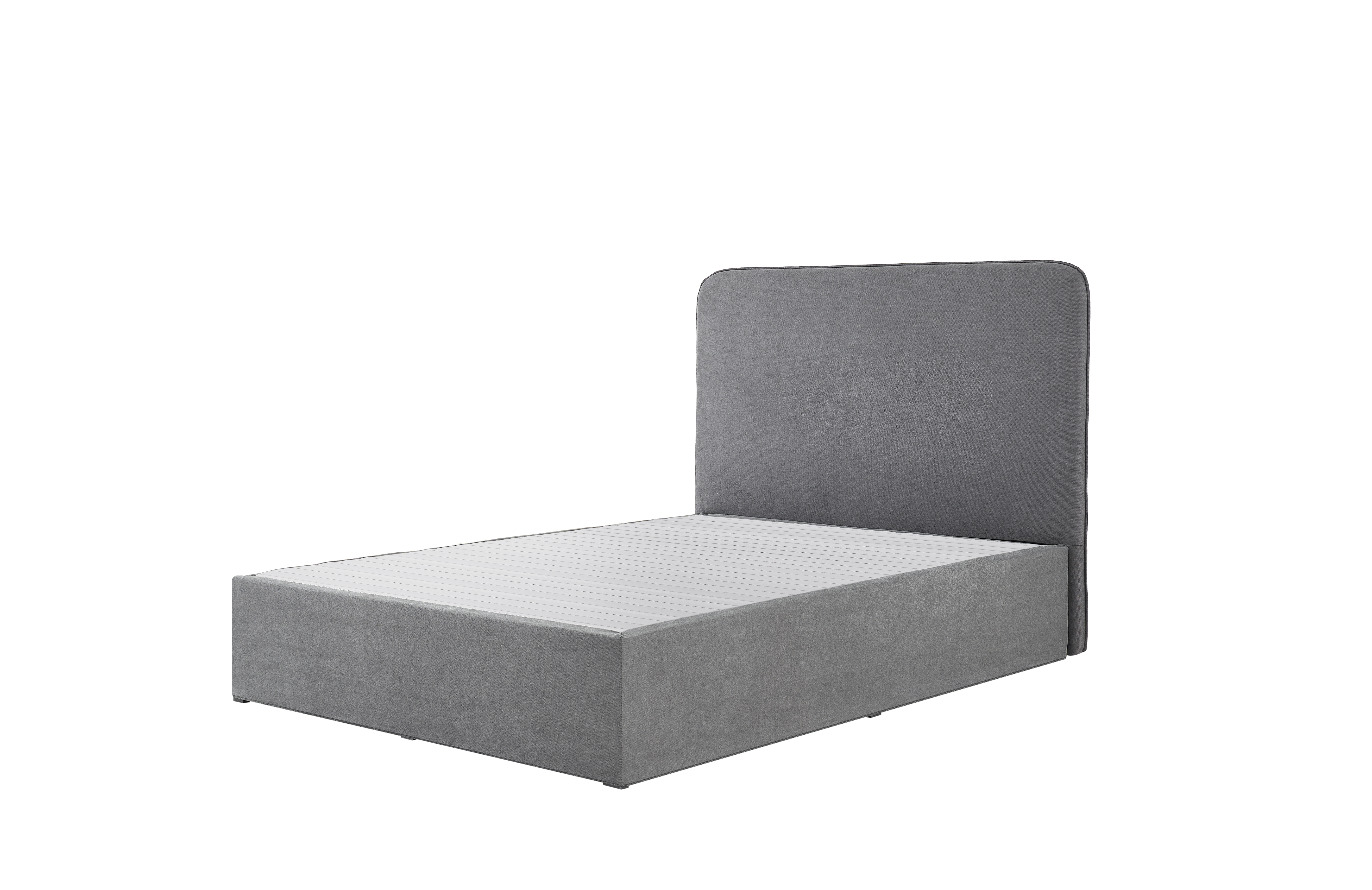
The bed frame shown in the product data is a useful example of the kind of item buyers often want to customize. It is an upholstered platform bed with a gray padded headboard, low-profile side rails, and a visible metal support structure beneath the mattress. The design is restrained and commercial-friendly, which is often exactly what sourcing teams want. A bed like this can work in residential bedrooms, guest rooms, hospitality spaces, and contract furniture supply, provided the construction and finish are specified clearly enough before production starts.
That last point matters more than it sounds. Bed frames are deceptively simple products. They look like a few panels, some fabric, and a mattress deck. In practice, they involve load support, upholstery consistency, assembly logic, packaging size, and the buyer’s tolerance for returns. The difference between a smooth project and a difficult one is usually not the silhouette. It is the specification discipline.
Why customization matters in bed frame sourcing
A standard catalog bed can be fine for a single purchase. It becomes limiting when you need the frame to fit a specific market, price point, or interior style. A custom bed frame manufacturer gives buyers room to adjust the details that actually affect sell-through and project performance.
For example, a gray upholstered bed can be adapted for a neutral hospitality scheme, a rental apartment package, or a retail line that needs a calm, modern look without strong seasonal styling. A low platform profile reduces visual bulk, which helps in smaller rooms. A tall upholstered headboard adds comfort for sitting up in bed and gives the product a more finished appearance. Those are not decorative extras; they influence how the bed is used and how it photographs in a listing or showroom.
If you are sourcing for a project, customization can also help align the bed with the rest of the furniture package. That might include matching fabric tones, changing headboard height, adjusting edge shapes, or tuning the base for the mattress size used in your market. The key is to separate the changes that affect appearance from the changes that affect structure. Buyers sometimes mix those together and end up with an unclear RFQ.
Quick reference: what can usually be customized
Common customization points
- Headboard shape and height
- Upholstery color and texture
- Base profile and corner styling
- Visible leg style or hidden support look
- Mattress platform style, such as slatted or ribbed support
- Branding details, packaging, and assembly format
What should be confirmed before ordering
- Exact dimensions and mattress size compatibility
- Weight capacity and support layout
- Internal frame material, if relevant to your program
- Upholstery fabric type and cleaning expectations
- Packaging method and carton size
- Whether the mattress is included or sold separately
That last list is where many projects go sideways. The product may look straightforward in a photo, but if the buyer never confirms mattress fit, assembly method, or support structure, the specification can become a guessing game. And guessing is expensive.
How this upholstered platform bed fits current buyer demand
The product description points to a modern upholstered bed frame with a padded headboard and a dark metal underframe. That combination has become popular for practical reasons. It gives the bed a softer visual profile than a fully rigid wooden frame, but keeps the platform look that many buyers want. The headboard is tall enough to read as a feature, while the low base keeps the room from feeling crowded.
The visible metal mattress support deck is especially relevant for sourcing managers. A support system like that suggests the bed is built to carry the mattress without requiring a bulky box spring, which fits the platform-bed market. Central support legs are visible as well, which is encouraging from a load-distribution standpoint, though the exact engineering still needs confirmation. It would be a mistake to assume every platform bed with visible central legs performs the same way. The number of supports, the spacing, and the frame construction all matter.
For hospitality and furnished rental buyers, this style has another advantage: it photographs well without demanding a highly distinctive room design. Gray upholstery is neutral, modern, and easy to coordinate. That is useful when you need a product that disappears into the background but still looks considered.
OEM versus ODM: choosing the right development path
Many buyers use the phrase ODM bed frame factory when they are really asking for a supplier that can adapt an existing design rather than build everything from scratch. That distinction matters.
In an ODM model, you typically start from a base design that already exists in the factory’s portfolio. The supplier may modify dimensions, upholstery, headboard shape, base details, or packaging, but the core structure remains familiar. This is often the faster route, especially for buyers who need a workable bed frame with controlled development costs.
OEM goes a step further and can involve a more bespoke brief, possibly with a brand-specific construction or aesthetic. It usually requires more back-and-forth on the engineering and sampling side. For bed frames, that can be valuable if your product line needs to stand apart in a crowded market, but it also means you need stronger internal discipline on specifications.
A practical caution here: not every factory uses the same terms the same way. One supplier may call a customized stock design OEM, while another may label it ODM. Ask for a clear explanation of what is being changed, what remains standard, and what can affect cost or lead time.
What to examine in a custom bed frame sample
A sample bed frame should answer more questions than it creates. If you are evaluating an upholstered platform bed like the one described here, look beyond the finish.
Check how the upholstery is wrapped at the corners and seams. Soft rounded edges can look refined, but only if the padding is consistent and the fabric tension is even. Look at the headboard face and side rails for wrinkles, misalignment, or uneven stitching. Inspect the base for visible wobble and confirm whether the support deck feels rigid when weight is applied.
Also look at the underside. Buyers often overlook the practical side of the frame because it is not visible in marketing photos. Yet the underside is where assembly strength, support placement, and long-term stability show up. If central support legs are present, ask how they are anchored and whether the design is intended for the mattress sizes in your market.
If you are sourcing for guest rooms or hospitality, assembly simplicity matters more than many teams expect. A bed that is easy to install and easy to reconfigure saves time during room turnover and reduces the chance of damage during setup.
Common mistakes buyers make with upholstered bed frames
One common mistake is treating appearance as the main specification. With an upholstered bed, the color and headboard shape are only part of the product. If the frame is too bulky, too low, or too hard to assemble, the visual appeal will not rescue it.
Another mistake is assuming that a neutral bed frame is automatically a low-risk purchase. Neutral colors help, but fabric behavior, edge durability, and package protection still matter. Gray upholstery can hide some wear, but it does not eliminate the need to confirm fabric performance expectations with the supplier.
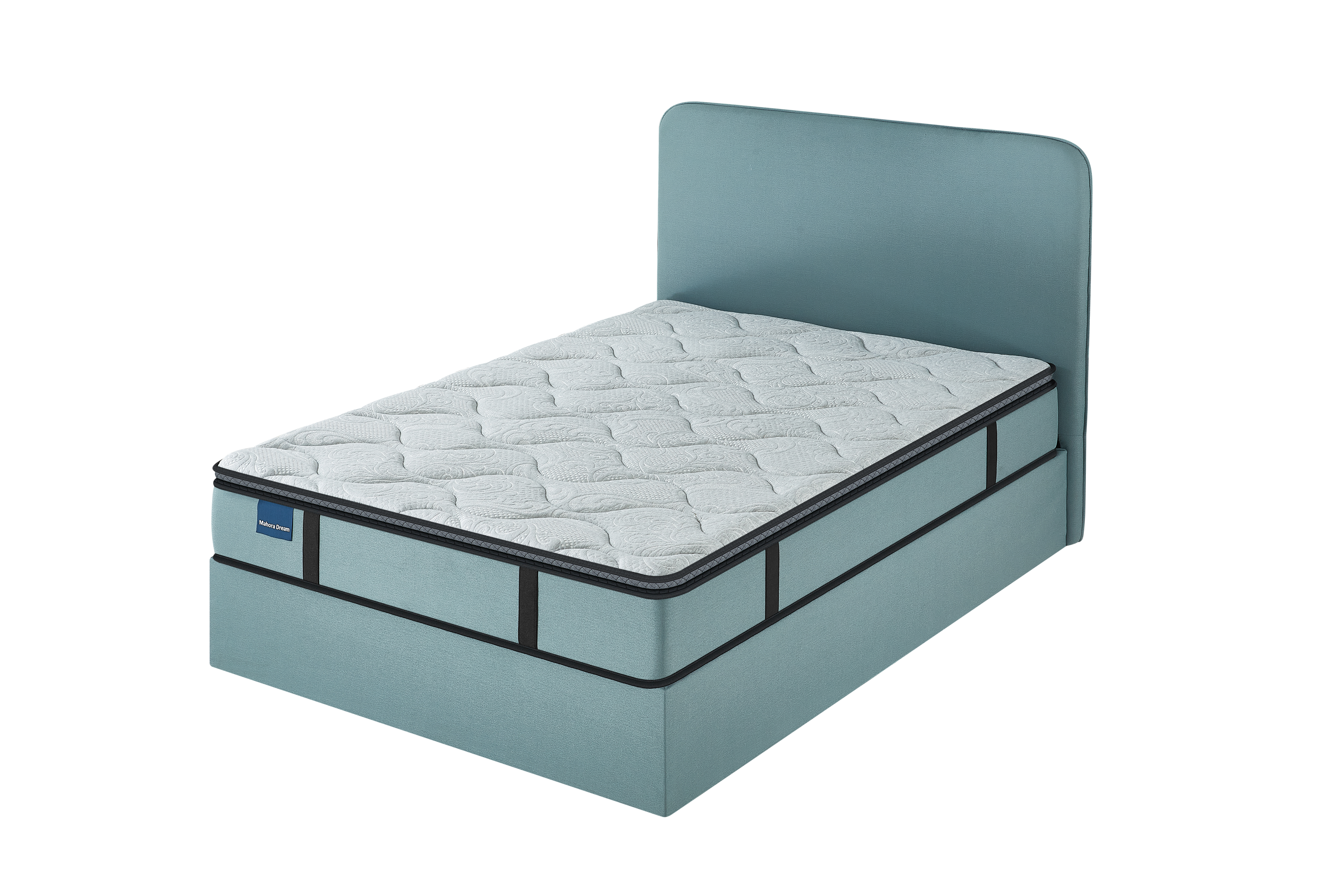
A third mistake is not separating mattress and frame responsibilities. The product data suggests a mattress-supporting platform bed, but the mattress itself is not confirmed as part of the offer. Buyers should always state whether they need a frame only, a bed-plus-mattress package, or a coordinated set. That affects packaging, logistics, and customer expectations.
Company-level claims and how to handle them carefully
The company notes mention mattress and bed manufacturing, OEM/ODM customization, and certifications such as CertiPUR-US, CE, BSCI, OEKO-TEX 100, ISO9001, and BS7177. Those may be useful signals at a company level, but they should not be assumed to apply automatically to this specific bed frame unless the supplier confirms it in writing.
That is not a cynical point; it is standard sourcing hygiene. Certifications, compliance claims, and test coverage can vary by product line, material set, and market. If your project depends on a specific compliance pathway, ask for documentation tied to the exact model, exact materials, or exact production batch where applicable.
Questions to ask before you place an order
A good RFQ for a custom bed frame manufacturer should be straightforward and detailed. You do not need a novel; you need clarity.
Ask what parts of the design are standard and what parts can be customized. Ask whether the frame uses metal, wood, or engineered board internally, and whether that internal construction changes by market. Ask for mattress size compatibility, support layout, packaging format, and assembly steps. If your business is sensitive to returns, ask how the bed is protected in transit and how corner damage is prevented.
If the supplier offers both OEM and ODM development, ask to see examples of each. That will tell you more than a marketing page ever will. It also helps you judge whether the factory is comfortable with the kind of changes your project needs.
When this style of bed makes the most sense
This upholstered platform style is a strong fit when you need a bed that feels modern, neutral, and easy to furnish around. It suits bedrooms where the bed should look substantial but not heavy. It also works well in furnished apartments and hospitality rooms where simple maintenance and broad appeal matter.
For buyers, the attraction is not only the look. It is the combination of visual softness, platform convenience, and a structure that appears suitable for practical use. The challenge is making sure the final specification reflects that promise rather than just the photo.
Next step for sourcing teams
If you are evaluating a custom bed frame manufacturer, start with the actual use case: residential resale, hospitality, rental furnishing, or contract supply. Then define the mattress size, preferred upholstery direction, assembly expectation, and compliance requirements before asking for samples.
A well-run bed project is usually built from a clear brief, not a long negotiation. The supplier can only quote what you can specify. And with upholstered bed frames, the details that seem small on paper are often the details your customers notice first.