Why a custom mattress is a procurement decision, not just a comfort choice
Buying a custom mattress is rarely about chasing a softer or firmer feel alone. For sourcing teams, hotel operators, and product developers, it is usually a question of fit: fit for sleep quality, fit for a room standard, fit for brand positioning, and fit for the practical realities of bulk purchasing. A mattress that looks fine in a showroom can still miss the mark if it does not match the bed base, the guest profile, the market, or the compliance requirements that sit behind a purchase order.
That is why the custom mattress conversation tends to widen quickly. A buyer may start by asking about size or cover fabric, then ends up comparing spring systems, comfort layers, edge support, fire safety expectations, packaging format, and whether the factory can repeat the same build consistently across multiple shipments. In B2B bedding, consistency is often more valuable than a dramatic spec sheet.
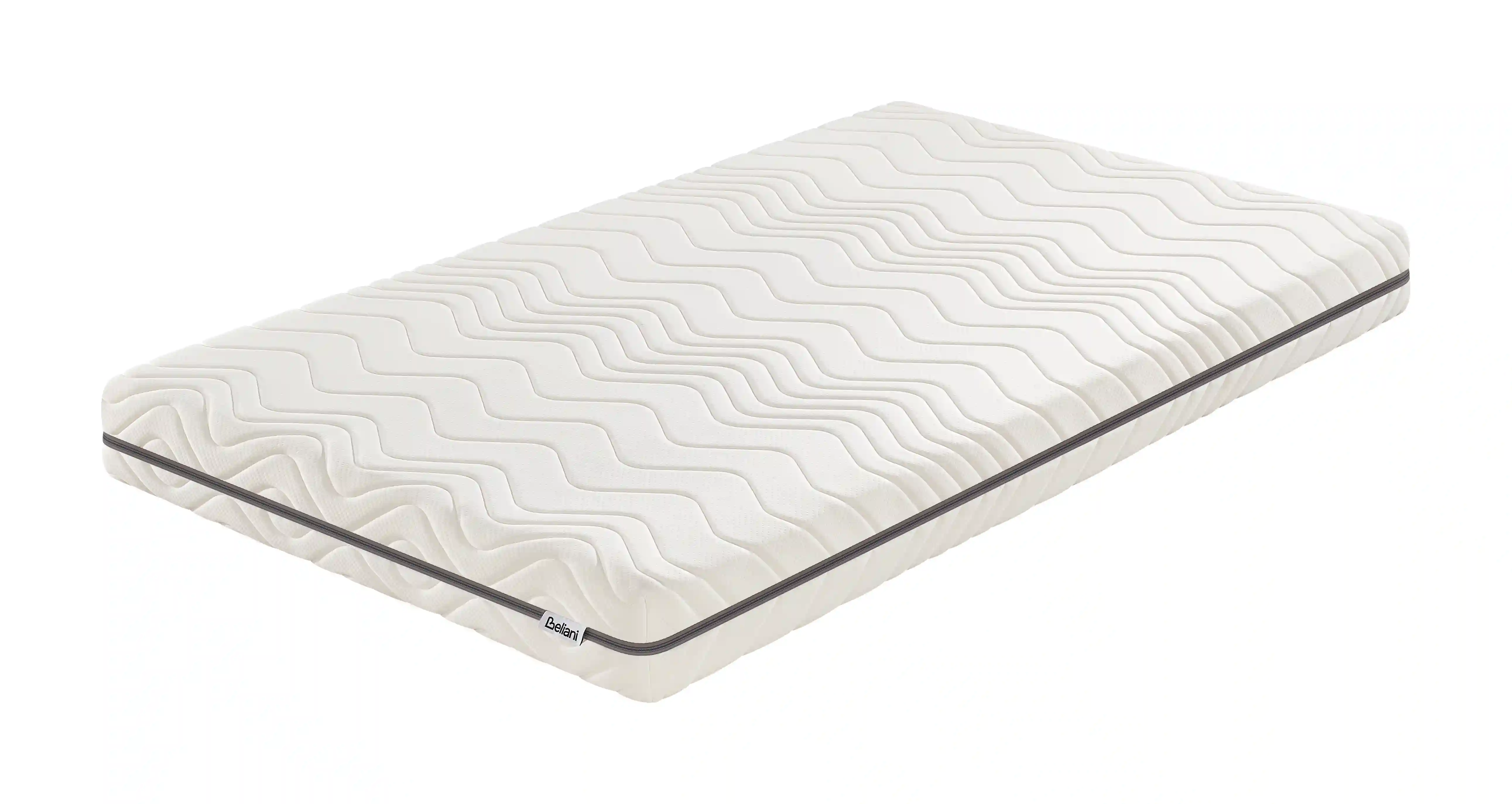
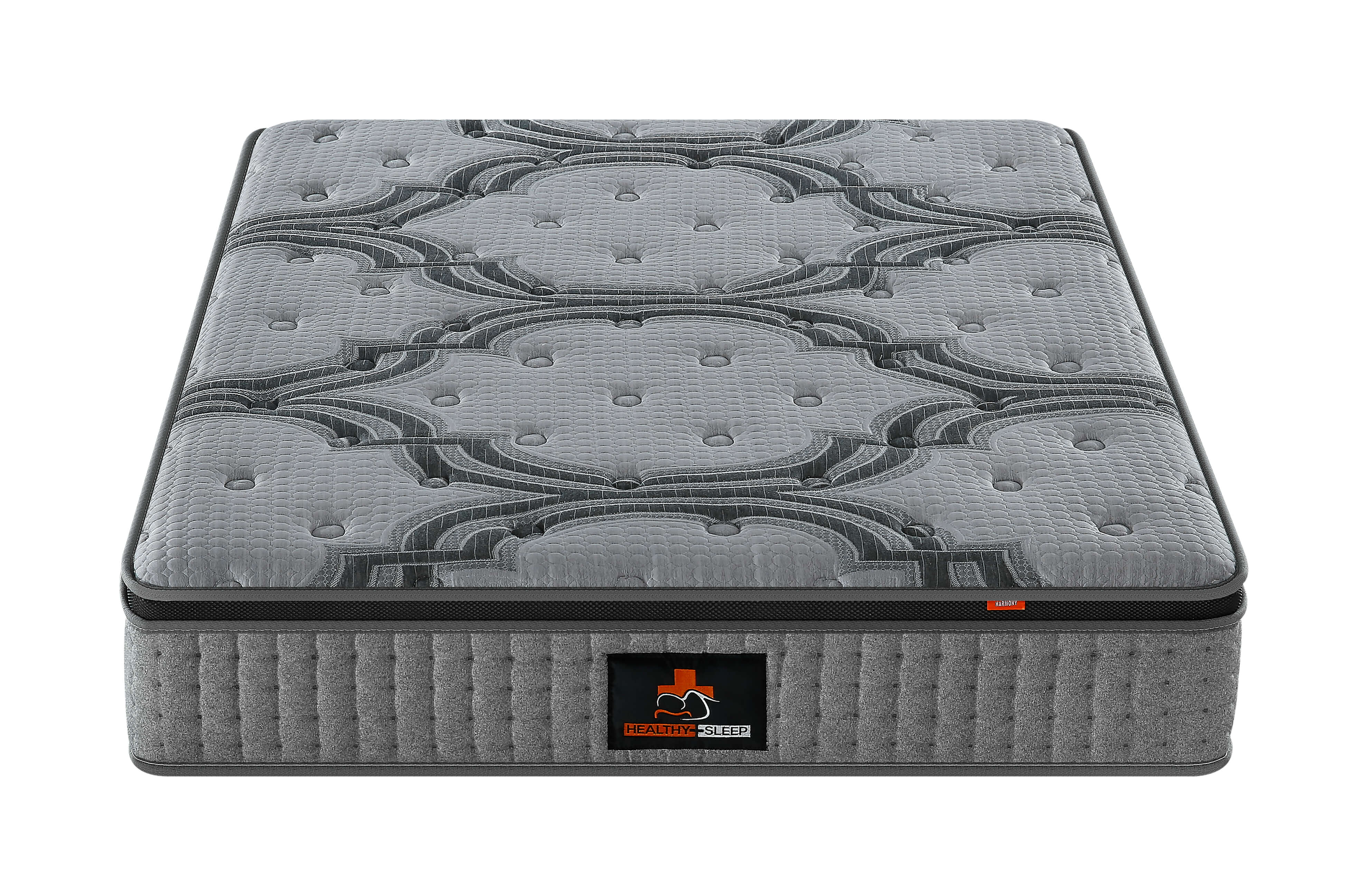
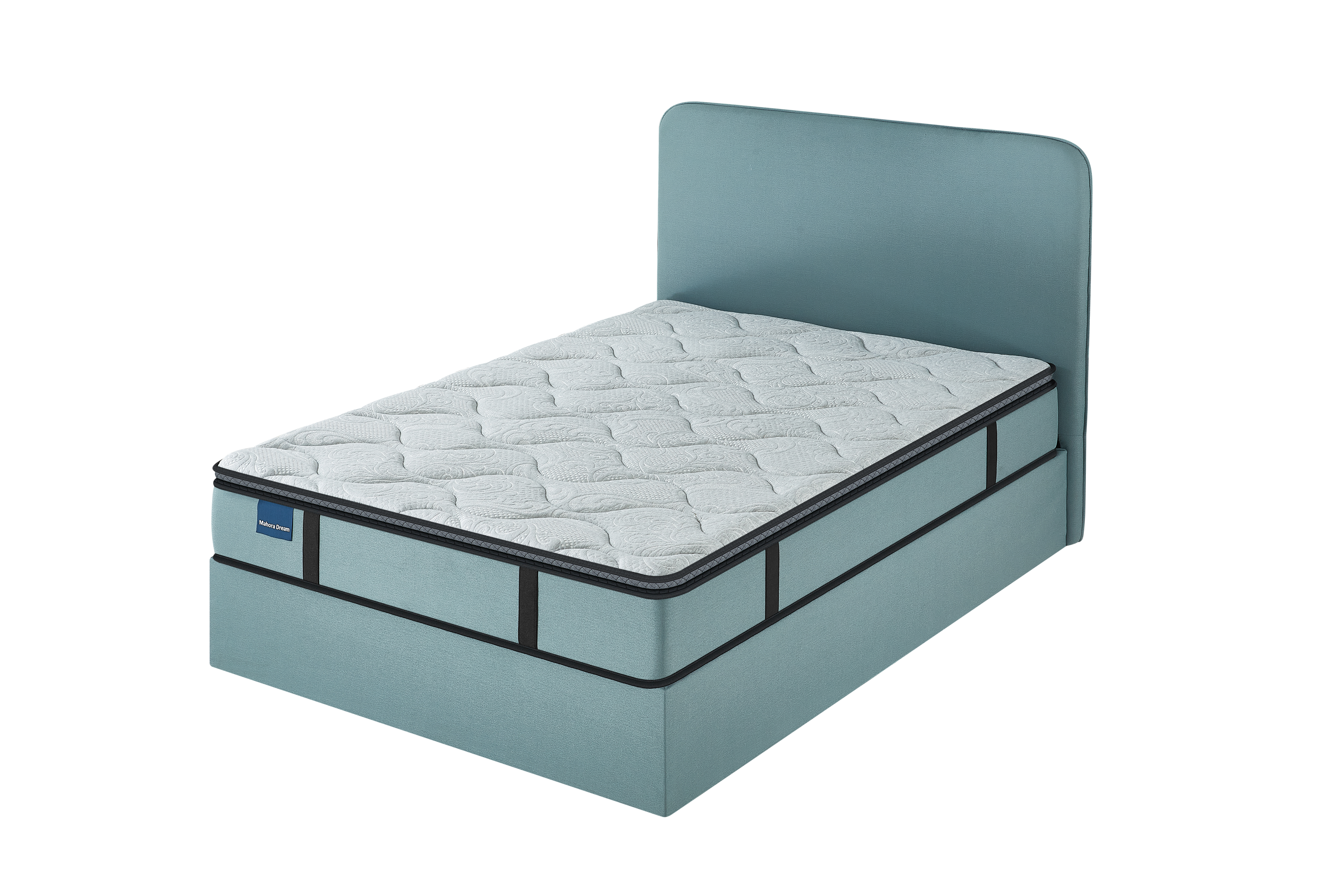
The product type pictured here appears to be a factory-made upholstered mattress, likely a pocket spring mattress with quilted comfort layers. The visual cues matter: a rectangular profile, medium-to-thick depth, quilted top panel, channeled side panels, and border trim all suggest a standard upholstered build suitable for sleeping and general bedroom use. It also points toward OEM or ODM production rather than a one-off handcrafted unit.
What buyers usually mean when they ask for custom mattress production
The phrase custom mattress can mean several different things depending on the buyer.
For some, it means a non-standard size for an unusual bed frame, hospitality suite, or institutional setting. For others, it means a tailored construction: pocket springs instead of Bonnell springs, foam instead of springs, firmer support for one market, or a different quilting pattern and cover style to match a brand’s look. In retail, it may also mean private label packaging, a sewn-on brand patch, and product naming that fits the client’s catalog structure.
There is a practical reason to define this early. Factories can usually accommodate one or two custom elements without difficulty, but once the request expands into size, core, cover, fire behavior, packaging, and labeling all at once, the project becomes more like a new product launch. That is not a problem, but it should be treated as one.
Quick reference: the decisions that matter most
A custom mattress program usually comes down to a short list of choices:
- Core construction: pocket spring, foam, hybrid, or another build
- Comfort feel: plush, medium, firm, or zone-based support
- Cover and finish: quilt pattern, fabric hand feel, side panel style, piping, and branding
- Size and thickness: standard dimensions or a client-specific specification
- Packaging: flat pack, rolled, folded, or fully assembled
- Compliance and market requirements: fire safety, textile standards, and other documented claims
- Order structure: OEM, ODM, or a modified catalog model
Not every project needs deep customization. Sometimes a buyer only needs a standard construction with a different outer look and a private label. That is often the lowest-risk route for repeat orders.
Likely construction: what the visible design suggests
From the product details supplied, this mattress looks like a conventional upholstered model with a spring core and comfort layers above it. The exact spring count, foam density, and fill materials are not visible, so it would be a mistake to pretend otherwise. Still, the visual construction gives a useful starting point for procurement discussions.
The quilted top panel suggests a layered surface designed to spread pressure and provide a finished appearance. The channeled sides indicate upholstery work that supports the mattress structure and helps it hold its profile. Black piping around the top edge is not just decorative; it also sharpens the visual line and can help define the border. The sewn-on brand patch at the front center is a common private-label or OEM detail.
For a buyer, these are clues about the manufacturing method. This is not a bare foam slab with a zip cover. It is a sewn, upholstered, branded mattress designed for wider commercial use, where appearance and repeatability matter.
Materials and finish: what to specify before you place the order
With mattresses, the outer materials often shape the buyer’s first impression, while the internal build determines the long-term review. Both need attention.
The visible cover here appears to be a gray textile, with darker border binding and quilting on the top surface. If you are ordering a similar custom mattress, the cover specification should cover more than color. You should ask how the fabric behaves under repeated use, whether the quilting pattern is purely decorative or also functional, and whether the side panels are intended to match the top visually or contrast with it.
If the mattress will be used in hospitality or multi-unit housing, buyers should also think about cleanability and stain visibility. A very pale cover may look premium on day one and look tired quickly in service. Darker grays and mid-tones often age better, though that depends on the brand position. It is a small point, but one that can save a lot of trouble later.
Branding details that are easy to overlook
A sewn label, border trim, and quilt pattern may sound cosmetic, but they influence how the product is received at the point of use. Retail buyers and hotel procurement teams often want the mattress to look finished from every angle, including side profile and foot end. If your product spends any time on display or in open-room accommodation, those details matter more than many spec sheets admit.
Certifications and claims: useful, but only when matched to the exact SKU
The supplied notes mention certifications such as CertiPUR-US, CE, BSCI, OEKO-TEX 100, Australia Recommended Choice, Ocean Cycle Certification, BS7177 Source 7, and ISO9001. Those are valuable data points, but they should be treated carefully. Unless the supplier can show that a specific model is covered by the relevant certificate or test record, do not assume the whole product line is identical.
That caveat matters because mattress compliance can vary by market. A buyer for hospitality, export retail, or institutional supply may need documentation tied to the exact build, not just to the factory in general. This is especially true when the product is being shipped across borders or used in a regulated environment.
How to evaluate a custom mattress supplier
The best mattress suppliers do more than quote a size and a price. They help the buyer define the build clearly enough that the next shipment matches the first one.
Here is what to look for:
- Ability to translate a reference sample into a repeatable specification
- Clear separation between what is visible and what is internal
- Willingness to confirm materials, layer sequence, and packaging format in writing
- Experience with OEM/ODM programs, not just standard catalog products
- Documentation that ties claims to the correct model or production run
A supplier that answers quickly but vaguely is not necessarily the best choice. In mattress procurement, vague answers tend to become quality disputes later.
Common mistakes buyers make with custom mattress orders
One frequent mistake is over-customizing too early. If a buyer asks for a unique size, a special cover, a different firmness, and new packaging all at once, it becomes harder to isolate which change caused any later issue. A phased approach is often smarter.
Another mistake is focusing on the top feel while neglecting edge behavior and long-term structure. A mattress can feel excellent during a five-minute trial and still perform poorly in repeated occupancy. For hospitality buyers, edge stability and shape retention often deserve as much attention as plushness.
A third problem is assuming all certifications are interchangeable. They are not. If a product is meant for a specific market or use case, the paperwork should follow the product, not just the supplier relationship.
Practical buying advice for hospitality, retail, and OEM programs
If you are sourcing for hotels or guest accommodation, prioritize a mattress that balances comfort with durability and repeatable appearance. Guests rarely praise technical construction, but they do notice sagging, uneven feel, and noisy support. A pocket spring mattress with upholstered comfort layers is often favored because it gives a familiar sleep profile and a more substantial feel than very thin constructions.
If you are buying for retail, the visual finish matters more than many industrial buyers expect. The quilt pattern, brand patch, side panel style, and border trim become part of the shelf story. A custom mattress for retail should look coherent from all angles, not just comfortable on paper.
For OEM and ODM work, clarity is everything. Lock down the dimensions, internal build, cover material, logo placement, and packaging format before asking for samples. The sample is not just for comfort testing; it is your reference for future production.
FAQ: short answers buyers usually need
Is a custom mattress always fully bespoke?
No. Many projects are modified standard designs. That can be a better route if you want lower risk and easier repeat ordering.
Can the same mattress work for hotel and retail use?
Sometimes, yes. But the finish, branding, and compliance requirements may differ enough that the same internal build needs two different presentations.
Should I choose foam or pocket spring?
It depends on the sleeping experience, price point, and market. The visible product here appears closer to a pocket spring-style upholstered build, which is often used when buyers want a familiar, supportive feel.
What should I ask for before approving a sample?
Ask for the layer description, cover specification, size, thickness, branding placement, packaging format, and the documents that apply to that exact model.
What to do next
If you are planning a custom mattress program, start by turning the idea into a written specification. Keep the list focused: size, construction type, cover, finish, branding, packaging, and required compliance documents. From there, compare supplier responses on whether they can reproduce the same mattress consistently, not just make one attractive sample.
That is usually where the real difference lies. A good mattress is important. A repeatable one is what keeps a procurement program from turning into a series of surprises.