Why a school mattress factory matters more than many buyers expect
A School mattress factory is not just a place that turns out beds for dormitories or boarding rooms. For sourcing managers, engineers, and procurement teams, it is where comfort, durability, fire safety, and repeatable production all have to line up at once. School and institutional bedding is a different market from retail bedroom mattresses. The product is usually judged less by showroom feel and more by how it holds up under daily use, cleaning routines, scheduled replacement cycles, and the paperwork that comes with contract supply.
That is why buyers looking at a School mattress factory are rarely asking a simple “how soft is it?” question. They are deciding whether the supplier can support bulk orders, meet specification-driven procurement, and provide the right level of customization without turning every order into a special project. If you are comparing suppliers for a dormitory, campus housing, military housing, prison accommodation, hospitality, or another contract bedding program, the real issue is whether the factory can deliver consistency at scale.
What the visible mattress design suggests, and what it does not
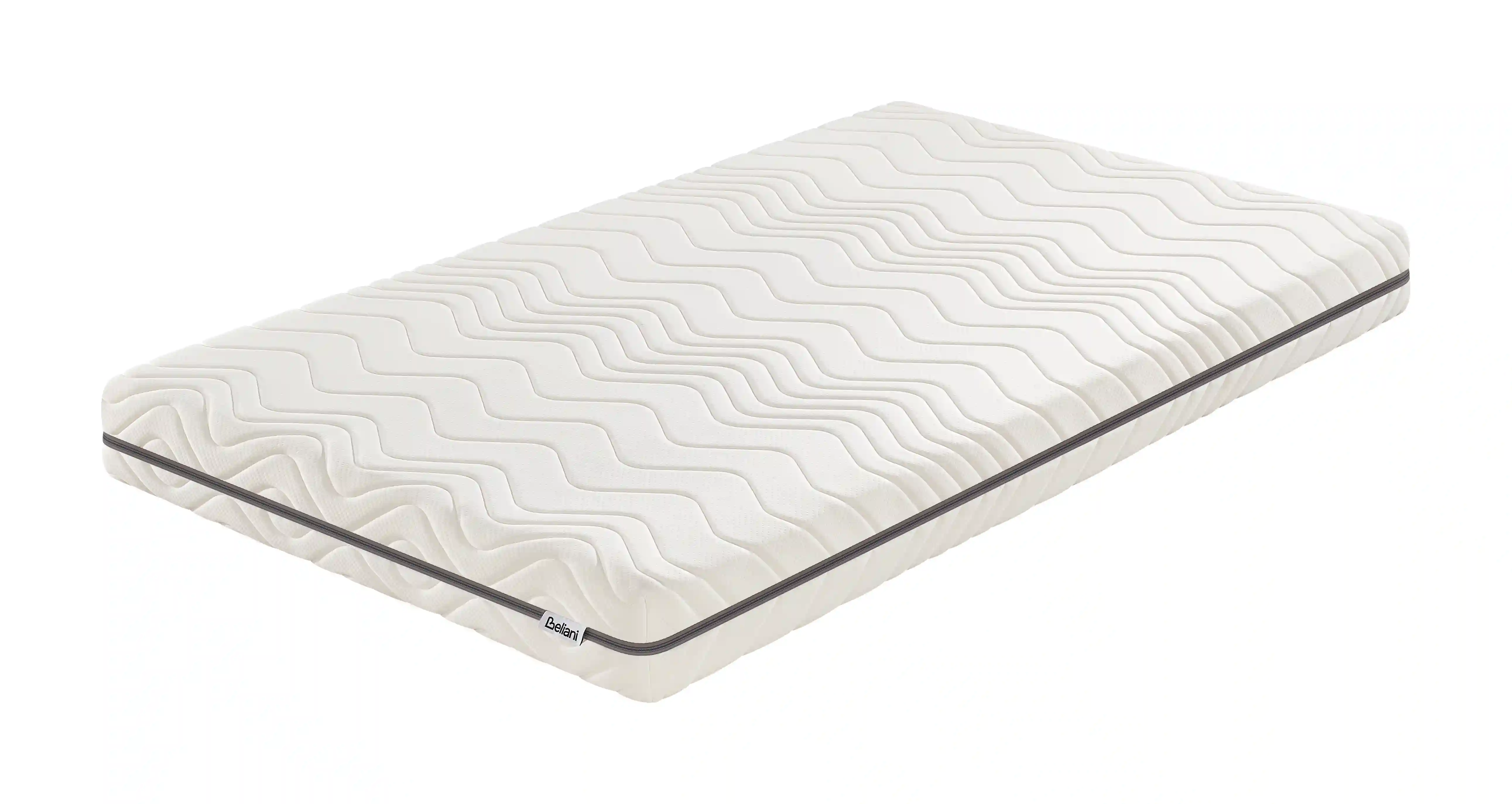
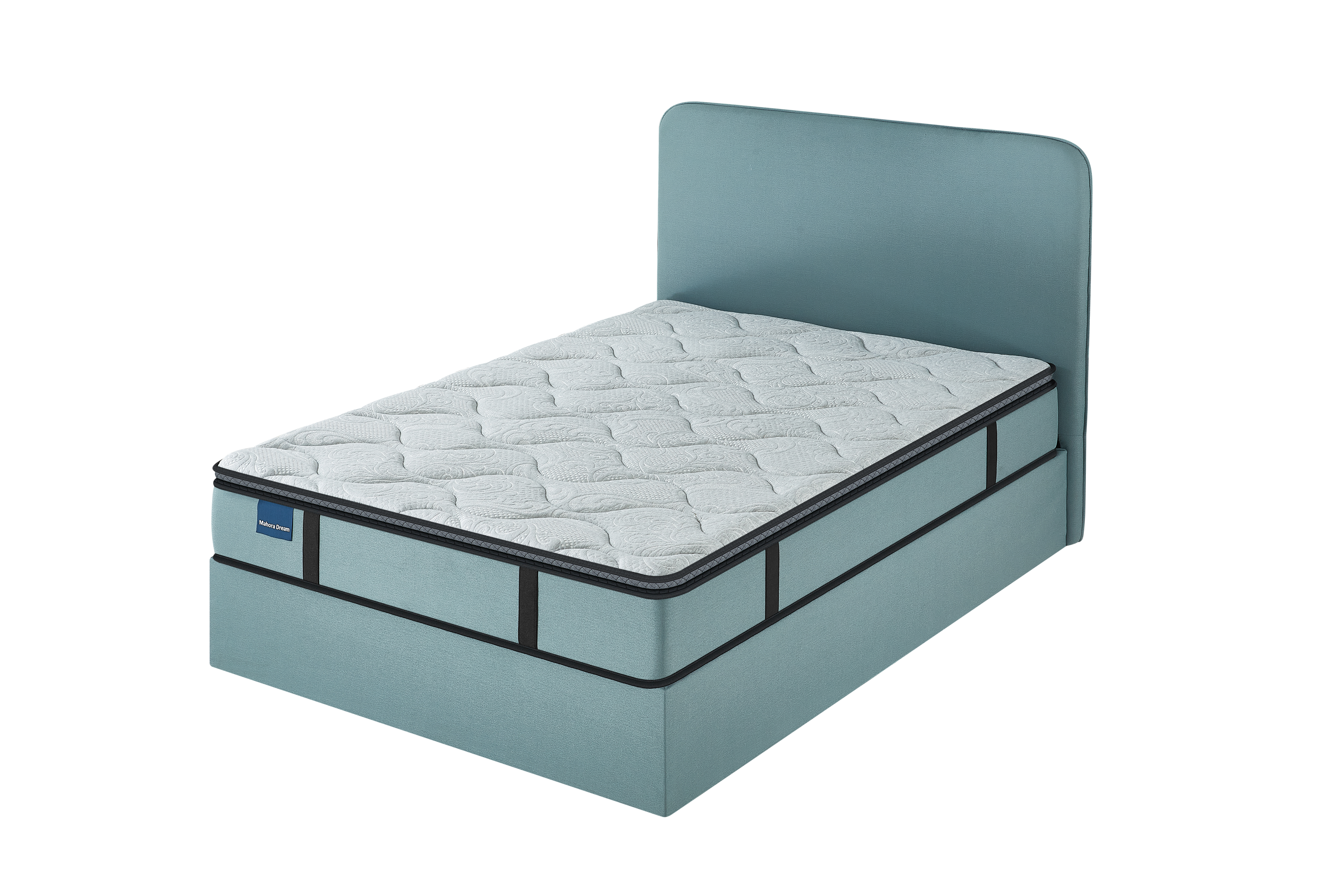
The product shown appears to be a flat, medium-profile rectangular mattress with a stitched or quilted top, straight side panels, and a dark border trim around the perimeter. The cover looks light-colored and matte, with no exposed spring unit or foam layers visible from the outside. That is useful, but only up to a point. From a buyer’s perspective, a mattress exterior tells you something about finishing quality and presentation, yet it does not reveal the internal build.
It may be a foam mattress, a hybrid construction, or another internal structure entirely. Since that cannot be verified from the image alone, it is better to treat the build as unspecified. That is a small but important discipline in sourcing. Many procurement problems start when a buyer assumes a visible style equals a specific construction type.
For institutional programs, the practical questions are more grounded:
Does the mattress keep its shape under repeated use?
Can the factory produce the same specification over multiple batches?
Will the cover, border, and seam work stand up to handling and transport?
Is the product available as a custom school mattress for a defined size, firmness target, or program standard?
What buyers usually need from institutional bedding suppliers
In school and contract environments, mattress purchasing is about balancing a few competing priorities. You need durability, but not a product so rigid that occupants complain. You need a manageable cost structure, but not at the expense of seam quality or material consistency. You may need a mattress that works across a residence hall, but your project may also require a different build for younger students, staff housing, or seasonal overflow accommodations.
A practical School mattress factory should be able to support that mix of needs without overcomplicating the order. Based on the supplied information, this manufacturer states that it accepts OEM and ODM orders, and that it can design and produce from customer drawings. That matters because many institutional buyers do not want to buy a generic catalog item and hope it works. They want a supplier that can build to a specification, even if the order volume is large and the timeline is fixed by a campus opening or renovation schedule.
That is where a custom school mattress can become more than a label. In practice, custom work may mean size adaptation, cover selection, border style, packaging method, branding, or a specification aligned with a purchasing department’s standards. The exact scope has to be confirmed case by case, but the ability to work from drawings is a good sign for buyers who need controlled procurement rather than off-the-shelf flexibility.
Factory capabilities that matter in real procurement
When evaluating a School mattress factory, buyers often focus too quickly on comfort descriptors and too slowly on production discipline. The more useful questions are usually operational.
First, how long has the factory been making mattresses? The supplied information says production began in 1986, with China-based manufacturing since 2013. That suggests a long manufacturing history, which is worth noting, though it still does not replace product-specific validation.
Second, what kinds of orders does the supplier handle? The notes indicate pocket spring, foam encasement, rolled or boxed mattresses, prison mattresses, toppers, baby mattresses, and OEM/ODM products. That range suggests the factory is not limited to one narrow segment. For buyers, breadth can be helpful, but it should also raise one caution: always confirm that the exact product you are ordering is a standard production item for that line, not an occasional build.
Third, what compliance framework can the factory support? The supplied data lists certifications or compliance references including CertiPUR-US, CE, BSCI, OEKO-TEX 100, Australia Recommended Choice, Ocean Cycle Certification, BS7177 Source 7, and ISO9001. Those names matter in institutional sourcing because different projects demand different documentation. Still, buyers should verify which certificates apply to the exact model and which apply to the factory or material set more broadly.
Why documentation can be as important as the mattress itself
For school and contract bedding, the mattress is only one part of the deliverable. The pack of documents behind it may include test reports, material declarations, labels, and shipping details. If you are sourcing across multiple campuses or countries, missing paperwork can delay installation more than a cosmetic defect ever would. A supplier that is used to OEM or ODM work is often better prepared for this than a general commodity seller, but the buyer still has to ask early.
That advice may sound obvious, yet it is where many programs slip. A mattress can look right on the sample table and still fail a project if it cannot be matched to the purchasing file.
How to compare factory options without getting lost in marketing language
A useful comparison usually comes down to four practical filters.
Specification control: Can the factory build to your drawing, size, and packaging requirements?
Production consistency: Are the materials, stitch work, and border finish repeatable across batches?
Compliance support: Can the supplier provide the documents your market or institution requires?
Program fit: Does the product suit dormitory, residential, hospitality, or institutional use, or is it really aimed at another channel?
If you are assessing a School mattress factory for a tender or long-term supply arrangement, this list is more helpful than asking for a generic comfort pitch. Even an attractive sample may be unsuitable if the supplier cannot maintain specification discipline during a repeat order.
A practical buyer-facing warning: do not let “custom” become a vague promise. Customization is only useful if the factory can define what changes are permitted, what changes affect cost, and what changes affect compliance. That is especially true when a school mattress factory also serves multiple other bedding categories and private-label programs.
Common mistakes buyers make with institutional mattress sourcing
One common mistake is assuming a mattress for school use has to be minimal or rough. In reality, schools and dormitories often need bedding that balances support and occupant satisfaction, because complaints rise quickly when a mattress feels cheap or unstable.
Another mistake is overlooking handling and packaging. A mattress that performs well in testing may still be awkward to move, store, or install if the packaging method does not suit the project. Rolled or boxed formats can help in some logistics models, but you should not assume the pictured mattress is shipped that way. The packaging method needs to be confirmed.
A third mistake is treating all contract bedding buyers as if they want the same thing. A prison mattress, a dormitory mattress, and a hospitality mattress may share basic structural expectations, but the balance of durability, appearance, and compliance can differ quite a bit. Suppliers that work across these categories may be useful, but only if the buyer defines the use case clearly.
What to ask before placing an order
If you are shortlisting a School mattress factory, these questions tend to reveal more than a polished brochure:
Can you build from our drawing or sample specification?
Which mattress constructions do you produce regularly?
Which compliance documents are available for this exact order?
What customization options are standard, and which require new tooling or material approval?
Can the factory support OEM or ODM programs for repeat supply?
How do you handle batch consistency and pre-shipment inspection?
Those are not glamorous questions, but they are the ones that prevent friction later. And if the supplier answers them clearly, that tells you a lot about how they run production.
FAQ for buyers evaluating a school mattress supplier
Is a custom school mattress always the better choice?
Not always. Custom work helps when the institution has specific sizing, compliance, branding, or packaging needs. For simpler replenishment programs, a standard specification may be easier to repeat.
Can I identify the mattress construction just from a product photo?
Usually not with confidence. The outside finish can suggest build quality, but it does not prove whether the core is foam, spring, hybrid, or another structure.
Why does OEM/ODM capability matter for schools?
Because many buyers need a supplier who can work to a specification rather than sell a fixed catalog item. That matters for tendered programs, private-label supply, and multi-site procurement.
Should I rely on certification names alone?
No. Ask which documents apply to the exact mattress model and which apply to the factory or materials more broadly. That distinction matters in real procurement reviews.
A practical next step for sourcing teams
If you are building a shortlist, start with the supplier’s ability to support your actual use case rather than with the product image alone. A School mattress factory with long production experience, OEM and ODM support, and a broad bedding portfolio may be worth serious consideration, especially if your project needs a custom school mattress or a repeatable institutional specification.
The next step is simple: request a drawing review, ask for the documentation tied to the exact model, and confirm the production path before you send a purchase order. That is the difference between buying a mattress and setting up a supply program that can be repeated without surprises.