Why a TPEE mattress factory matters to buyers who care about comfort and supply stability
A TPEE mattress factory is not the first phrase most sourcing teams use when they start a bedding project, but it is a useful one when the conversation turns to breathable layers, washable covers, and stable OEM/ODM production. In practice, buyers are often not searching for one exact foam or one exact spring pack. They are trying to solve a larger problem: how to spec a mattress that feels right, ships efficiently, meets market expectations, and can be produced consistently at scale.
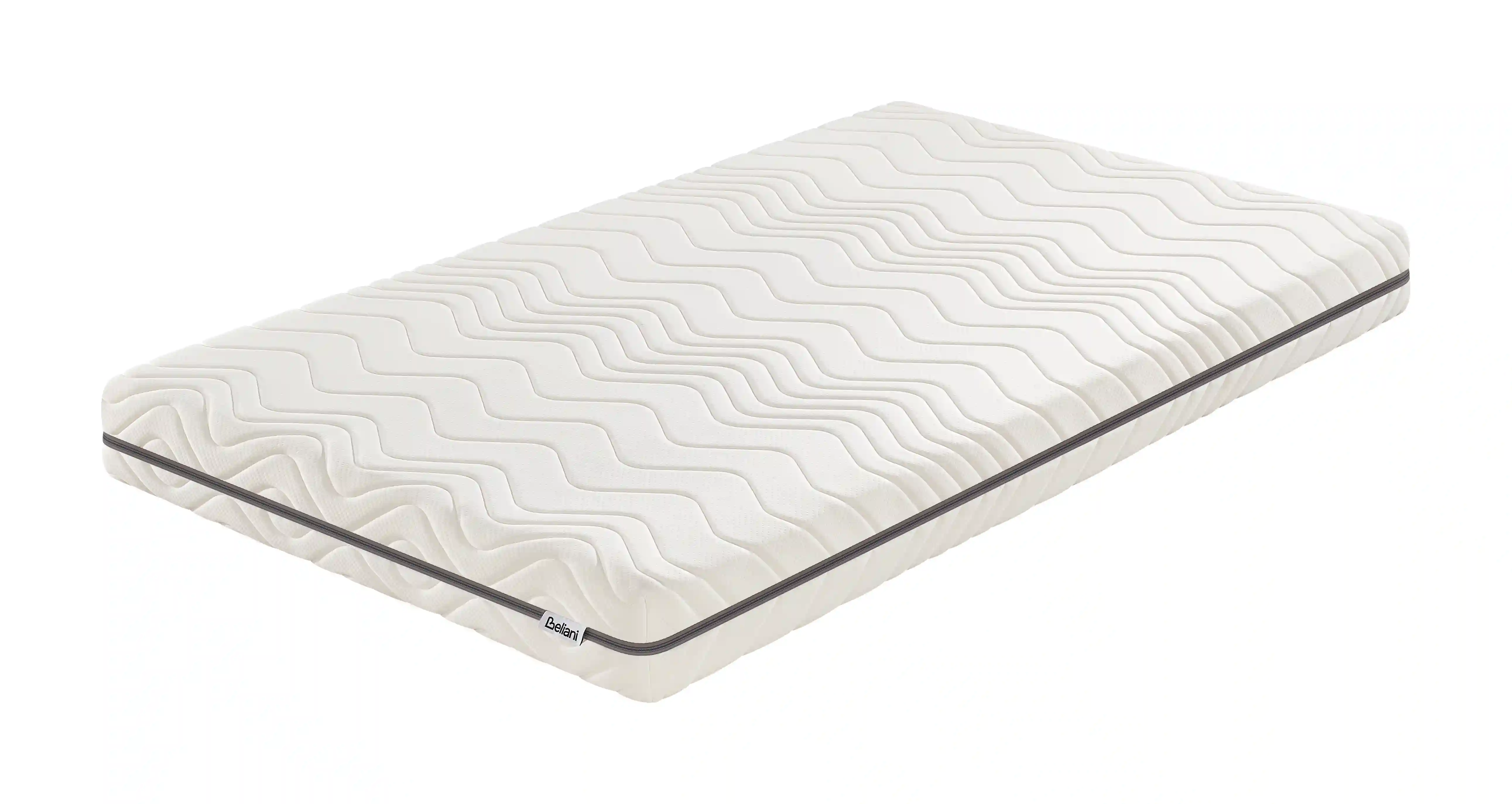
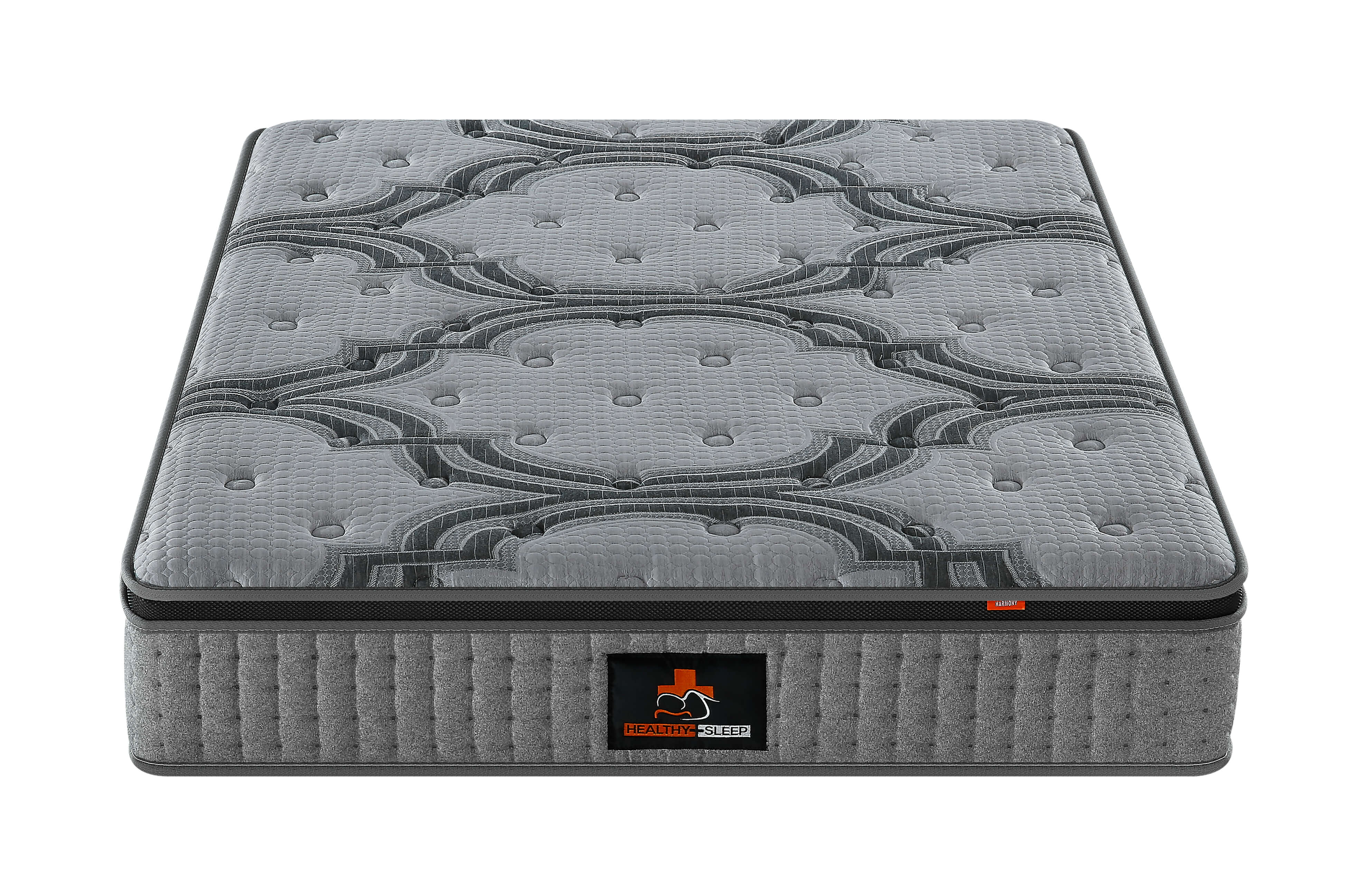
That is where a manufacturer with layered mattress know-how becomes relevant. The supplied product notes point to mattresses and mattress toppers built with quilted covers, fibrous or lofted comfort layers, black support or transition layers, and breathable mesh-like constructions. The visible design language is familiar to anyone who has handled modern retail bedding: soft outer textiles, airflow-oriented cores, and a clean, removable-looking finish. If your buying brief includes hygienic covers, ventilation, roll-pack logistics, or institutional durability, the right supplier matters as much as the surface comfort.
There is one caveat worth stating early: the exact chemistry of the internal layer cannot be confirmed from the image alone. So while TPEE may be part of the discussion in a broader materials sense, the safest reading is that the product is a layered mattress or topper category, not a fully verified single-material build. That distinction matters for buyers comparing quotes and material claims.
What the visible construction suggests
The supplied notes describe a mattress with an exploded or cutaway view. That kind of rendering is helpful because it shows how the product is built rather than how it merely looks on a showroom floor.
From the materials visible in the notes, the mattress appears to use several functional zones:
- A white quilted or stitched cover layer on top
- A middle comfort layer with a fibrous or mesh-like texture
- A darker transition or support layer
- A lower base cover in grey or black textile
- A non-slip or stabilizing underside, according to the product notes
The practical takeaway is straightforward: this is not a decorative fabric shell, it is a layered sleep system. The emphasis on airflow suggests the design is intended to reduce heat buildup and improve moisture movement through the mattress body. For e-commerce and retail buyers, that is a strong selling angle. For hospitality and institutional procurement, it is also a maintenance angle, because breathable, washable constructions are often easier to manage over time.
The product notes also mention a washable eco cover and an “Ultra-breathable Nestflow™ Core Layer.” That wording should be treated as a brand-specific feature claim, not a universal industry term, but the underlying idea is common enough: a core designed to move air and a cover designed to be removed and cleaned. Buyers should always verify whether “washable” refers to the cover only, the whole assembly, or just a specific component. That detail gets blurred more often than it should.
Where this type of mattress fits in the market
A mattress supplier with OEM and ODM capability usually serves more than one channel. The supplied data suggests applications in residential bedding, hospitality, institutional supply, and possibly bulk or contract programs. That makes sense. A layered mattress format can be adapted for consumer retail, private label, and larger-volume projects without changing the basic production logic.
For brands, the appeal is usually a combination of three things: customization, packaging flexibility, and a clearer path to differentiated comfort features. For sourcing managers, the issue is steadier: can the supplier build the same product repeatedly, with the same feel and finish, and document the materials cleanly enough for the target market?
The company notes provide a few concrete business facts that matter here. The manufacturer states it has been producing since 1986 and manufacturing in China since 2013. It also lists OEM and ODM acceptance. Those are useful signals for buyers who need a factory partner rather than a trading-only middle layer. The notes also reference a range of certifications and standards, including CertiPUR-US, CE, BSCI, OEKO-TEX 100, Australia Recommended Choice, OceanCycle Certification, BS7177 Source 7, and ISO9001. Those claims should still be checked against current documentation before any order is finalized, but they do indicate the type of compliance language this supplier is working with.
How buyers usually compare mattress factories
When sourcing from a TPEE mattress supplier or any bedding factory with layered products, the real comparison is not just price. It is a mix of material control, construction flexibility, and after-sales reliability.
A practical buyer checklist looks something like this:
1. Can the factory explain the layer stack clearly?
If a supplier cannot describe the comfort layer, transition layer, support layer, and cover system in plain language, that is a warning sign. The best factories are usually specific without being theatrical. They know what each layer does and where the tolerances in feel come from.
2. Is the cover system designed for real use?
A washable outer cover, zipper access, and non-slip base sound simple, but these details affect the customer experience more than many teams expect. A cover that pills quickly or fails at the seam can undo a good core.
3. Is the product suitable for roll-pack or compressed shipping?
The notes mention rolled and folded mattress categories in the broader product scope. That does not prove this exact model ships that way, but it does suggest the factory is familiar with compressed packaging. For many markets, especially e-commerce, that is not a side note. It determines freight cost, warehousing efficiency, and unboxing behavior.
4. Can the supplier support private label or custom builds?
OEM/ODM matters when a brand wants a distinct comfort story rather than an off-the-shelf mattress. A good factory can adjust cover textiles, layer combinations, and branded detailing without losing production discipline.
Why breathability and hygiene sell, but only if the build supports them
A mattress that claims airflow has to earn that claim through structure. The supplied notes reference 3D air mesh fabric, a breathable core, and a removable-looking multi-layer assembly. Those features align well with the current market preference for cooler sleep and easier maintenance.
Still, buyers should be careful. “Breathable” can mean many things in marketing copy. It may refer to the weave of the cover, the porosity of the core, the spacing of the fibers, or simply the presence of mesh panels. A serious sourcing conversation should ask where the air movement actually occurs and whether that feature holds up after compression, shipping, and regular use.
The same caution applies to hygiene claims. A washable cover is useful. A fully washable mattress is another matter. Those are not the same product promise, and customers notice when the language is sloppy.
Common mistakes when sourcing a mattress like this
The most common mistake is over-specifying the outcome before the construction is agreed. Teams sometimes begin with “we need a cooling mattress” or “we need an orthopedic feel” and then skip the mechanical details. That is risky. Cooling, support, and pressure relief are all outputs of structure, not slogans.
Another mistake is assuming that a polished image tells you the whole material story. It does not. A white fibrous comfort layer may be a synthetic fill, a mesh-based structure, or a foam-adjacent element. If you need a specific composition, ask for the build sheet and sample verification.
A third issue is ignoring the packaging route. A mattress that works in a showroom can become awkward if it must also survive vacuum compression and roll-pack handling. Springs, foams, quilt patterns, and seam placement all behave differently once compressed.
There is also a sourcing trap around certification language. Many buyers read a list of standards and assume every model automatically carries them. That is not safe. Certifications often apply to a plant, a material family, or a specific product range. Ask for the exact scope.
What this factory profile suggests for different buyer types
For a retail brand, the appeal lies in custom construction and a breathable comfort story. The visible layered design is well suited to an online product page because it is easy to explain visually.
For a hospitality buyer, washable covers and stable base construction are more important than branding language. Repeated guest use tends to expose weak stitching, unstable zippers, and thin edge finishing quickly.
For an institutional buyer, including bulk bedding programs, the question is usually less about luxury and more about consistency, compliance, and maintainability. If the factory can support OEM/ODM and document materials cleanly, that reduces procurement friction.
For sourcing teams building a mattress line around a TPEE-based or breathable-layer concept, the main decision is whether the factory can translate the material brief into a repeatable assembly. That is the difference between an idea and a product.
Questions worth asking before you request samples
A short but pointed list helps here:
- What is the exact layer composition?
- Which parts of the product are washable?
- Is the cover removable by zipper?
- Is the product designed for roll-pack shipping?
- Which certifications apply to this specific model, not just the factory?
- Can the factory support OEM/ODM changes to cover, size, or construction?
- How does the product behave after compression and reopening?
Those questions sound basic, but they surface most of the commercial risk early.
Final buying note
If you are evaluating a TPEE mattress factory, do not get distracted by one material label or one marketing phrase. Focus on whether the supplier can build a layered mattress that is breathable, cleanly finished, and commercially consistent. The supplied product information points to a manufacturer experienced in OEM/ODM bedding, layered textile-foam assembly, and compliance-oriented selling. That is a useful starting point, especially for buyers who need more than a generic foam block.
The next step is simple: request a sample, ask for the exact layer breakdown, and verify the certification scope against the model you plan to buy. If the factory can answer those questions without drifting into vague language, you are probably talking to the right mattress partner.